Best AC for Boat Cabin: Top Marine Climate Solutions for Comfort on Deck
Finding effective cooling and climate control for a boat cabin requires equipment that combines power efficiency, rugged construction, and reliable performance in marine conditions. The following selections focus on compact, energy-conscious units designed for boats and other small living spaces. Each option highlights corrosion resistance, quiet operation, and safety features tailored for marine environments. Use this guide to compare versatility, portability, and onboard comfort across different power sources and space requirements.
| Product | Brand | Key Feature |
|---|---|---|
| MarinAire 16,000 Btu/h SelfContained Marine AC | MarinAire | Quiet operation; titanium coil; energy efficiency |
| SEEKR by Caframo Stor-Dry Fan | Caframo Limited | Low power draw; silent |
| Rooftop RV Air Conditioner 12V 10,000 BTU | outequip | Low profile; 12V operation; heater option |
| 12V Truck Camper Van AC 10,000 BTU | Aspligo | Direct battery supply; metal shell |
| Mocar7 Air Dryer / Dehumidifier | Mocar7 | Low power; improves humidity control |
Note: Each product below includes a brief description, its main features, and how it applies to boat cabins or similar small spaces. All links direct to Amazon product pages.
Caframo Stor-Dry Quiet Air Circulator

The Caframo Stor-Dry circulator emphasizes silent operation and very low power draw, making it suitable for boat cabins where space is limited and battery capacity may be a consideration. Its corrosion-resistant metal construction supports long-term use in moist marine environments, while its compact size allows placement near sleeping or living areas without creating noise or wind tunnels. This unit helps distribute conditioned air more evenly, complementing a primary cooling system or functioning as a supplemental air movement device during hot days at anchor.
16,000 Btu/h Self-Contained Marine AC

MarinAire’s self-contained marine air conditioner delivers robust cooling for moderately sized boat cabins. The unit features a corrosion-resistant titanium coil designed to resist the harsh salt-air environment common in marine settings. A sound-reducing design helps maintain a tranquil cabin, particularly important for overnight trips. The compact, integrated system uses modern refrigerants that support energy efficiency, helping to minimize overall power use while maintaining consistent comfort even on warmer days or when docked in high-humidity zones. Installation requires appropriate bonding to a sacrificial anode as part of standard marine electrical practices.
Xtreme Heaters Portable Boat & RV Heater

For supplementary warmth in cooler evenings or in spaces where a full air conditioning system isn’t practical, the Xtreme Heaters portable unit provides compact, safe heating with overheat and tip-over protection. Its top-air intake design supports placement against walls or near carpets, increasing installation flexibility in boat cabins. The built-in tip-over switch adds safety in tight living areas, and the low-profile footprint minimizes obstruction in walkways, galley areas, or sleeping berths. This heater is best used as a supplemental heat source alongside a primary cooling system.
RV Air Conditioner 12V 10,000 BTU Rooftop

This 12V rooftop air conditioner is designed for versatility on the move, including those who run off a vehicle battery or solar setup. With a 10,000 BTU cooling capacity, it can rapidly cool small to mid-sized cabins, making it a practical all-weather solution for long trips or camp settings where access to shore power is limited. The accompanying 4,500 BTU PTC heater offers modest supplementary warmth, though it should not be relied on as a primary heater in very cold conditions. Durable ABS materials and weather-resistant components contribute to resilience in marine environments.
12V Truck Camper Van AC 10,000 BTU

Aspligo’s 12V air conditioner is tailored for direct battery supply, eliminating or reducing the need for a separate AC power source when operating in remote locations. Boasting a robust metal shell, it is designed to withstand vibration and impacts common on boats and recreational vehicles. The 10,000 BTU cooling capacity makes it suitable for compact cabins, cabins with limited airflow, or areas where wind exposure and sun exposure elevate the heat load. Clean, reliable performance supports steady comfort during extended voyages or camps.
Mocar7 Air Dryer / Dehumidifier
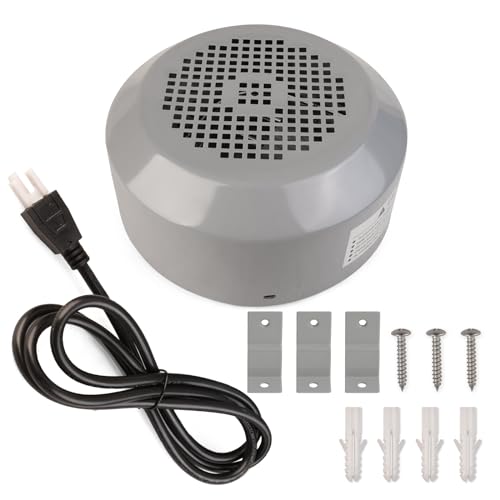
The Mocar7 dehumidifier is designed to reduce humidity in small spaces, helping to prevent mold and dampness in boat cabins and RVs. Operating at low power (70 watts) on a standard 120V outlet, it maintains air dryness without imposing a heavy load on electrical systems. Its safety features include a heat cut-off switch to minimize hazards in confined areas. This unit complements cooling solutions by addressing condensation and humidity control, supporting overall comfort and air quality aboard.
Buying Guide
Key purchase considerations for boating and RV climate control include the following:
- Power source and consumption: Determine whether you will rely on shore power, battery systems, or portable generators. Prioritize units with low power draw (and consider multi-source flexibility) to avoid rapid battery depletion.
- Space and installation: Measure cabin dimensions and identify available mounting space. Roof-mounted units save interior space, while portable fans and dehumidifiers offer flexible placement.
- Corrosion and durability: Marine environments demand corrosion resistance. Look for metal housings, titanium coils, and sealed components designed for salt air exposure.
- Noise levels: Quiet operation improves sleep and overall comfort. Compare decibel ratings where available, especially for cabins used overnight.
- Humidity control: In damp climates, a dehumidifier or moisture management device can complement cooling by reducing condensation and musty odors.
- Safety features: Overheat protection, tip-over switches, and auto-shutoff capabilities reduce risk in compact living spaces.
- Maintenance and serviceability: Choose models with accessible filters, straightforward cleaning, and reliable parts availability for long-term use.
- Integrated versus modular systems: Integrated rooftop or self-contained units offer robust cooling, while modular fans and dehumidifiers provide configurable airflow for targeted cooling.
- Thermal load considerations: For smaller boats, prioritize 5,000–10,000 BTU equivalents with efficient refrigerants and low power draws to maintain comfortable temperatures without excessive energy use.
- Environmental compatibility: Select units that tolerate humidity, vibrations, and temperature fluctuations typical in marine settings.
Across these options, the best choice depends on cabin size, power availability, and desired balance between cooling capability, humidity control, and noise. A layered approach—combining a primary cooling unit with a low-power air circulator and a dehumidifier—can yield consistent comfort in most boat cabins without overtaxing electrical systems.