Best Boat Engine Support Bars for Safe Trailer Transport
Answering your search for a reliable boat engine support bar, this guide highlights five top options designed to protect transoms during transport. These devices transfer engine weight to the trailer, reduce bouncing, and prevent structural fatigue. They’re best for boat owners who trailer frequently, operate engines up to 100 HP, and want easy, adjustable setups compatible with both rollers and bunks. Below is a quick summary of the strongest choices, followed by detailed product breakdowns and a buying guide to help you pick the right fit for your rig.
| Product | Best For | Key Benefit |
|---|---|---|
| Attwood SP-400-RB | General trailer use, variable boat/trailer setups | Solid dual-mount design, adjustable 23–35 inches |
| PUIOCO Adjustable Transom Saver | Trailers with electric trim/tilt, up to 100 HP | Flexible mounting, multiple adjustment points |
| Pextian Transom Saver | Rugged, long-term use with 100 HP motors | Durable aluminum with comprehensive package |
| TENGBASE Transom Saver | Wide trailer compatibility, corrosion resistance | Fully adjustable, marine-grade finish |
| SDSNTE Transom Saver | Protecting transoms on trailers, heavy-duty use | Composite head, 23–35 inch adjustable |
Attwood Adjustable Transom Saver SP-400-RB
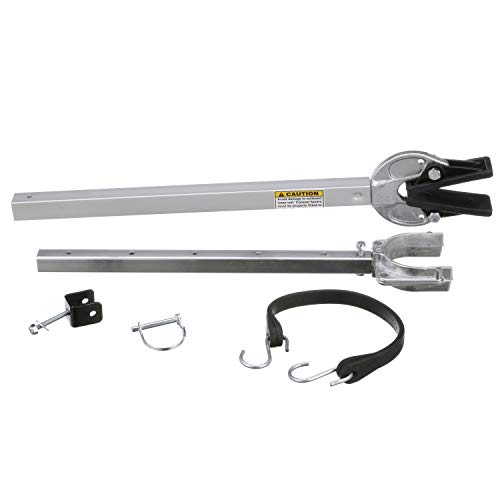
Best for versatile trailer setups. The SP-400-RB extends from 23 to 35 inches and uses a composite head to cradle the engine, transferring weight to the trailer and reducing bounce. Dual mounting options include roller and trailer mounts, offering compatibility with common trailer hardware. This makes it a solid choice for boaters who switch between bunks and rollers or have varying wheelbases. A potential limitation is the need to ensure exact length for your particular boat-trailer pairing to avoid peak stress at the transom.
PUIOCO Adjustable Transom Saver

Best for trailers with electric trim or tilt capabilities, especially for motors up to 100 HP. The PUIOCO saver offers five adjustable points from 23″ to 35″ and supports roller and trailer brackets to match various configurations. It’s designed for trailer use with the caveat to remove before launching, which is a crucial workflow step to avoid interference during water entry. Choose this if you need flexible, multi-point adjustment and a cost-effective solution for frequent trailer changes.
Pextian Boat Transom Saver
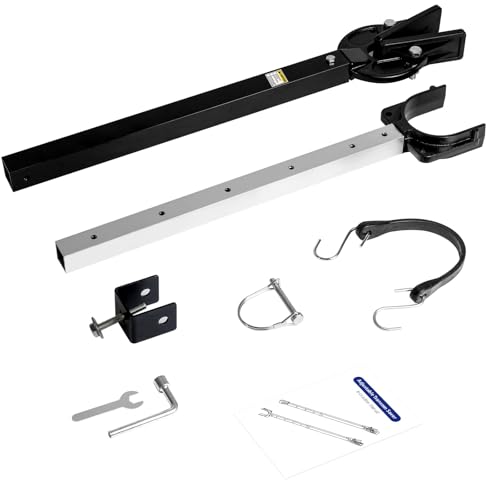
Best for rugged, long-term usage with motors up to 100 HP. The Pextian package includes a telescoping shaft, composite head, trailer mount bracket, and additional hardware, aiming for a turnkey setup. It emphasizes sturdy aluminum construction and a secure engine hold to prevent engine movement during transport. A limitation is that the product is designed for standard trailer configurations and may require alignment with your specific mounting hardware.
TENGBASE Transom Saver

Best for broad trailer compatibility and corrosion resistance. The TENGBASE saver extends 23 to 35 inches with universal compatibility for up to 100 HP motors. It’s built with marine-grade materials and a protective finish, reducing rust from road spray and spray encountered on body-water crossings. A caution is to verify compatibility with your trailer’s mounting hardware before purchase.
SDSNTE Adjustable Transom Saver

Best for combined protection and flexibility. The SDSNTE features a 23–35 inch adjustable range with a heavy-duty composite head that cushions the engine and prevents scratching. It supports both roller and trailer brackets for versatile installations, and notes that the motor must have power trim or tilt. It is well-suited for protecting engines during transport, though the setup requires careful pinning and alignment for optimal stability.
Buying Guide: Key Purchase Considerations
What engine size and trailer setup suit you best? Most options support up to 100 HP motors. If your boat sits on a trailer with both rollers and bunks, a model with dual mounting options is advantageous. Consider the ease of length adjustment: a 23″–35″ range fits a wide variety of bows and engine heights, reducing the risk of overextending and stressing the transom. Look for corrosion-resistant, marine-grade materials for durability in road spray and saltwater environments. A composite head protects the engine from scratches. Finally, verify that you will remove the saver before launching if the design requires it.
How do you plan to use it? If you trailer frequently and switch between trailers, pick a saver with straightforward installation and quick-release hardware. If your boat remains on a single trailer type, prioritizing a snug fit and robust construction helps minimize movement. For heavier engines, ensure the product can handle the weight and provides firm contact points without bending or stressing the transom.
Installation and safety notes: Always align the saver to the engine midline, tighten pins to the recommended depth, and confirm the device is fully engaged before towing. When using a model that must be removed before launching, incorporate this step into your pre-launch routine to avoid engine damage and potential injury.
FAQ
- Q: Do these saver bars fit all boat trailers?
- A: Most are designed to fit a wide range of trailers with roller or bunk setups, but always verify length range and mounting compatibility with your trailer before purchase.
- Q: Can I use these with engines over 100 HP?
- A: The listed products are designed for motors up to 100 HP. For higher horsepower engines, consult the manufacturer for a load-rated model.
- Q: Should I remove the transom saver before launching?
- A: Some models require removal before launching; follow the product instructions to prevent interference with water entry.
- Q: Are composite heads safer for the engine surface?
- A: Composite heads help prevent scratches and distribute load, reducing risk of transom or prop damage during transport.
- Q: How do I know the length is correct?
- A: Measure the distance from the transom to the trailer frame with the engine in its normal running position, then choose a saver within the 23″–35″ range for an optimal fit.