Best Kayaks Designed for Larger and Heavier Paddlers
Finding the best kayak for larger bodies involves considering weight capacity, stability, comfort, and durability. This guide highlights reliable kayaks that cater to heavier users without compromising safety or performance. Below is a summary table showcasing five top choices suited for bigger paddlers.
| Kayak | Capacity (lbs) | Type | Seats | Material |
|---|---|---|---|---|
| Intex Excursion Pro K2 Inflatable Kayak | 400 | Inflatable | 2 | SuperTough PVC |
| Intex Explorer K2 Inflatable Kayak Set | 400 | Inflatable | 2 | Vinyl |
| OCEANBROAD V1-420 Inflatable Sit-in Kayak | 308 | Inflatable | 2 | Heavy Duty Vinyl |
| Pelican River Gorge 130X Tandem Kayak | 500 | Sit-on-Top | 2 | Polyethylene |
| Perception Rambler 13.5 Tandem Kayak | 550 | Sit-on-Top | 2 | Rotational Molded Plastic |
Intex Excursion Pro K2 Inflatable Kayak – Durable 2-Person Kayak, 400lb Capacity

This inflatable kayak by Intex is built with a SuperTough 3-ply laminate PVC construction that offers outstanding resistance to abrasion, UV rays, and impacts. It supports up to 400 pounds, making it suitable for larger individuals or couples. The kayak features spring-loaded valves for quick inflation and deflation, plus removable skegs enhancing control in both deep and shallow waters. Extra storage capacity in both bow and stern areas lets you safely carry your gear, while stainless steel D-rings allow secure tie-downs. Overall, it balances rigidity, stability, and maneuverability efficiently for recreational use.
Intex Explorer K2 Inflatable Kayak Set with Pump and Aluminum Oars

The Intex Explorer K2 is a lightweight and compact inflatable kayak designed for tandem paddling with a maximum capacity of 400 pounds. It inflates rapidly via the Boston valve and includes aluminum paddles and an air pump. Its rugged vinyl build with an inflatable I-beam floor ensures durability and enhanced stability. The kayak’s streamlined design helps with effortless paddling, and the removable skeg improves tracking. Highly visible in yellow, it’s tailored for lakes and mild river adventures, delivering a stable and comfortable kayaking experience for larger users.
OCEANBROAD V1-420 Inflatable Sit-in Kayak for Adults – 308lbs Capacity

This 2-person inflatable kayak features a heavy-duty vinyl body and a drop-stitch floor that enhances rigidity while supporting up to 308 pounds. Its three-chamber design adds an extra layer of security against punctures. The kayak includes a padded EVA seat and adjustable footrest, improving long-term comfort and positioning. Halkey-Roberts valves provide reliable inflation without leaks, and a built-in drain hole efficiently removes water buildup, safeguarding your ride and ensuring comfort on extended outings.
Pelican River Gorge 130X Tandem Sit-on-Top Kayak – 500lb Capacity, 13 ft
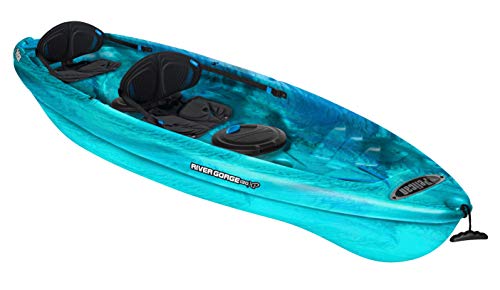
Constructed from durable polyethylene, the Pelican River Gorge 130X is a 13-foot tandem sit-on-top kayak that comfortably holds 500 pounds. It incorporates a twin-arched multi-chine hull to deliver exceptional stability and ease in entering and exiting. Features include multiple storage options with bungee cords, molded footrests, bottle holders, and accessory eyelets. Its design includes added flotation for safety and scupper holes to drain excess water, making it a secure choice for heavier paddlers seeking recreational adventures on rivers and lakes.
Perception Rambler 13.5 Sit-on-Top Tandem Kayak – 550lb Weight Limit
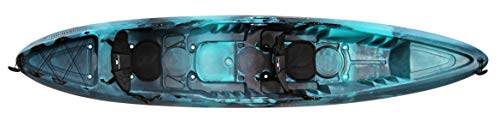
The Perception Rambler 13.5 is a highly stable open-deck tandem kayak with a weight capacity of 550 pounds, making it ideal for larger paddlers. Measuring 13’6” in length and 34” in width, it strikes a balance between stability and maneuverability. The robust rotationally molded plastic construction ensures durability. Its versatility allows easy configuration for solo or tandem paddling. It offers generous storage space with tie-down points and is suited for skill levels ranging from beginner to advanced paddlers wishing to accommodate heavier users comfortably.
Buying Guide for Kayaks Suitable for Larger Paddlers
Weight Capacity and Stability
The most critical factor is choosing a kayak with a weight capacity exceeding your body weight plus the weight of gear. Always look for kayaks rated to support at least 50 pounds more than your total load to ensure safety, buoyancy, and paddling efficiency. Wider hulls or multi-chine designs often improve secondary stability, preventing tipping and helping heavier paddlers maintain balance in various water conditions.
Material Quality and Durability
Inflatable kayaks with high-grade PVC or heavy-duty vinyl are resilient while providing portability and ease of storage. Hard-shell models made from polyethylene or rotationally molded plastic offer rigidity and impact resistance but are heavier. Consider how often you will transport the kayak and your preferred storage conditions when choosing material type.
Comfort Features
Padded and adjustable seats with proper back support enhance comfort during long paddling sessions, especially important for larger paddlers. Features such as adjustable footrests increase ergonomic support and help maintain better posture on the water. Cockpit size and ease of entry/exit also matter, with sit-on-top kayaks generally offering easier access for bigger users.
Storage and Accessories
Storage compartments with bungee cords or sealed hatches are useful to keep belongings dry and secure. Some kayaks include accessory mounts or bottle holders, adding convenience. For recreational outings, sufficient storage can enhance the overall experience by allowing you to carry safety gear, snacks, or hydration efficiently.
Portability and Setup
Inflatable kayaks have the advantage of being lightweight and compact for transport. Evaluate the inflation method (Boston valves, Halkey-Roberts valves), included pumps, and total pack size. Hard-shell kayaks, though durable, require roof racks or trailers and more effort when moving off-water.
Intended Use and Water Conditions
Choose a kayak type suitable for your typical paddling environment — calm lakes, mild rivers, or coastal waters. Inflatable kayaks excel in calm to moderate conditions and ease of transport, while hard-shell models offer better performance in rough waters. For larger paddlers, wider kayaks generally provide added comfort and stability across most environments.