Best Trolling Motor Battery for Canoe: Lightweight, Reliable Power on the Water
Direct answer: The best trolling motor batteries for a canoe are those that balance weight, durability, and runtime while resisting moisture. This guide highlights five solid options, ranging from compact LiFePO4 packs to rugged AGM and marine SLA batteries. Each pick is best suited for different paddling needs, from casual lakes to longer outings. For quick comparison, see the summary table below.
| Product | Type | Best For |
|---|---|---|
| Newport 12V50Ah Deep Cycle AGM | AGM Lead Acid | Canoeists seeking lightweight, reliable power |
| Newport Trolling Motor Smart Battery Box Power Center | Battery Box / Power Center | Keeps wiring tidy; convenient for small watercraft |
| Renogy 12V 20Ah LiFePO4 | LiFePO4 | Long runtime, lighter weight, modern safety features |
| Mighty Max 12V 55Ah SLA | SLA / AGM | Durable, maintenance-free option for longer trips |
| Minn Kota Endura C2 30 Lb | Transom-mounted Trolling Motor battery compatibility | Compact boats needing straightforward, proven setup |
Newport 12V50Ah Deep Cycle AGM Battery

The Newport 12V50Ah Deep Cycle AGM is a lightweight, sealed lead-acid battery designed for trolling motors. At about 32 pounds, it offers robust power without adding excessive weight to the canoe. Its sealed construction reduces leaks and corrosion risk, and it’s explicitly described as trolling motor compatible for steady, dependable boating sessions. Best for canoeists who want a straightforward, maintenance-free option with solid cold-weather resilience. A potential limitation is that AGM batteries typically have lower energy density than lithium packs, so runtime may be shorter in high-demand setups.
Who it’s best for: Canoeists prioritizing a balance of weight, reliability, and ease of use. Why selected: It combines marine-grade durability with a compact 12V format that works well with most trolling motors.
Newport Trolling Motor Smart Battery Box Power Center
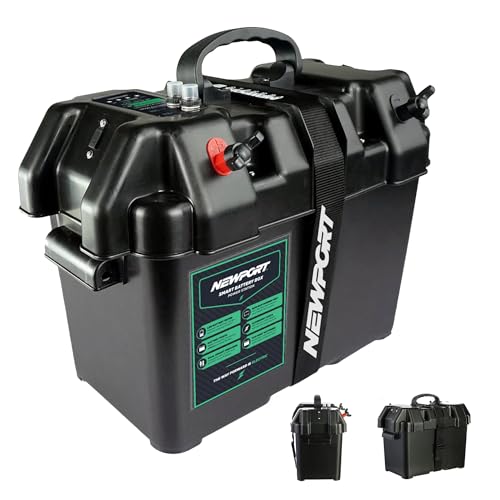
This is a portable marine power hub designed to simplify connections for trolling motors and electronics. It features external terminals for clean, quick hookups to the motor, fish finder, and other devices. It’s best for kayaks, jon boats, and small watercraft where tidy wiring and quick setup matter most. A caution: while it centralizes power, it does not indicate built-in battery capacity, so pairing with a suitable battery is essential for achieving your desired runtime.
Who it’s best for: Small craft users who want an all-in-one, easy-to-manage power solution. Why selected: The external connections reduce on-water setup complexity and keep the cockpit tidy.
Renogy 12V 20Ah LiFePO4 Battery
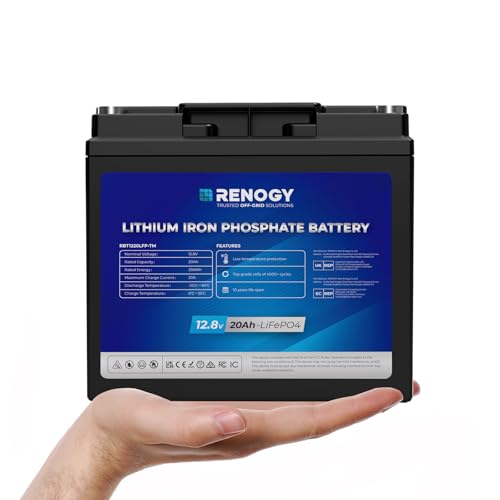
The Renogy LiFePO4 battery is a 12V 20Ah pack built for lighter, longer runs with a built-in BMS and IP65-rated waterproofing. It’s roughly half the weight of a comparable lead-acid solution, delivering better efficiency per pound. Best for kayaks, small boats, or emergency kits where weight reduction and safety are priorities. Limitation: higher initial cost than traditional AGM/SLA but often offset by longer lifespan and better cycle life.
Who it’s best for: Canoeists seeking extended runtime with reduced weight and advanced protection. Why selected: LiFePO4 chemistry offers significant weight savings and modern safety features in a compact package.
Mighty Max Battery 12V 55Ah Power Boat Battery

The Mighty Max 12V 55Ah SLA battery is a maintenance-free sealed lead-acid option with a 55Ah rating. It’s designed for deep cycle use on boats and can deliver steady, reliable power for trolling motors over longer trips. This option is best for canoeists who want a rugged, easy-to-setup battery with proven performance. Caution: SLA/AGM options can be heavier and bulkier than lithium alternatives, which may affect payload and buoyancy on smaller canoes.
Who it’s best for: Canoeists prioritizing durability and straightforward maintenance. Why selected: A solid, widely available choice with a strong track record in marine applications.
Minn Kota Endura C2 Transom-Mount Trolling Motor
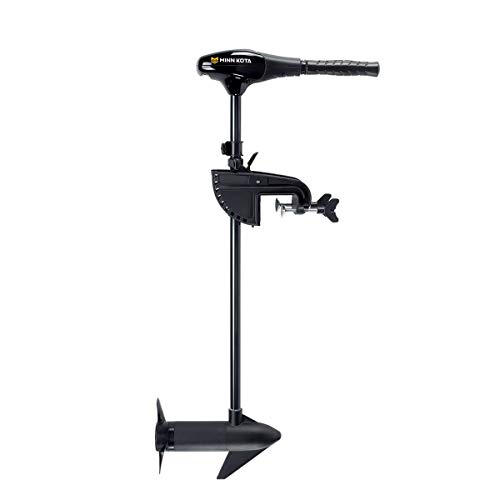
Although primarily a trolling motor itself, the Minn Kota Endura C2 pairing emphasizes a compact, reliable setup for small watercraft. It offers a 30-pound thrust and a 30-inch shaft, with features like a telescoping handle and a 10-position lever lock bracket. Best for canoeists who want a simple, proven propulsion solution with stable power delivery. Limitation: thrust level is modest; bigger canoes may require higher thrust models for heavier loads or windy days.
Newport NV-Series 36lb Thrust Trolling Motor

Newport NV-Series 36lb thrust trolling motor is designed for lighter craft like kayaks and canoes. It emphasizes portability and quiet operation with a 30″ shaft and LED battery indicator for quick runtime visibility. Best for smaller vessels where battery efficiency and maneuverability are critical. A caution: higher thrust models deliver more power but require more energy, so ensure your battery choice aligns with the motor’s load.
Newport NV-Series 55lb Thrust Saltwater Trolling Motor
The 55lb thrust Newport NV-Series model is designed for saltwater and canoes that demand more power in challenging conditions. It features a 30″ shaft and a built-in LED battery meter. Best for paddlers who navigate winds and currents or carry heavier gear. Limitation: higher power consumption; match battery capacity to ensure practical runtime.
Buying Guide: Key Considerations For Your Canoe Trolling Motor Battery
- Weight vs. runtime: If you prioritize lightweight setups, LiFePO4 options offer significant weight savings and longer life, but at a higher upfront cost. AGM/SLA provide reliable power with simpler maintenance at a lower initial price.
- Chemistry and safety: LiFePO4 batteries include built-in safety protections and are more resistant to temperature swings. Lead-acid options are robust and easy to replace but heavier and less efficient in extreme cold.
- Battery capacity needs: Consider your trolling motor’s thrust, boat size, and typical trip length. Higher thrust or longer trips demand greater Ah ratings or higher-quality LiFePO4 packs.
- Water exposure and sealing: For canoes, splash resistance and sealed enclosures are important. Look for IP ratings or marine-grade construction where applicable.
- Compatibility and mounting: Confirm the battery’s voltage (12V is standard for most trolling motors) and ensure the mounting orientation and terminals fit your setup.
- Maintenance and lifespan: AGM and SLA require less maintenance than flooded lead-acid but may have shorter cycle lifespans than LiFePO4 with proper care.
- Price vs. lifetime value: A higher upfront cost for LiFePO4 can pay off with longer cycles and lighter weight, especially on frequent-use trips.
Frequently Asked Questions
- What battery is best for a canoe trolling motor?
– The best choice depends on weight, runtime, and budget. LiFePO4 is best for long, lightweight trips; AGM is a reliable, maintenance-free option; and SLA is a durable traditional choice. - How much battery capacity do I need for a canoe?
– For casual day trips, 20–50Ah can be sufficient with moderate motor use. For longer trips or higher thrust motors, consider 50–100Ah or a LiFePO4 option with built-in protection. - Are LiFePO4 batteries safe for marine use?
– Yes. They have strong thermal stability and built-in protection features, including low-temp cutoff and overcharge protection, making them a popular marine choice. - Should I use a battery box or a separate battery?
– A battery box can simplify wiring and keep electronics organized, while a standalone battery may save space in smaller setups. Choose based on your boat layout and maintenance preference. - Can I mix battery types in a system?
– It’s generally not recommended to mix different chemistries due to charging imbalances and safety concerns. Use a matched battery type for best performance. - How do I prevent battery issues in cold weather?
– Use batteries rated for low temperatures, store them in insulated compartments, and avoid charging below freezing. LiFePO4 batteries perform better in cold than many lead-acid variants.